November 2026
Improve Vehicle Reliability. Control Repair Costs. Simplify Fleet Maintenance.
Fleet maintenance is one of the most important factors affecting operating costs, vehicle reliability, and productivity for businesses managing commercial fleets. Whether your company operates a handful of service trucks or hundreds of vehicles across multiple locations, keeping vehicles properly maintained can significantly impact your bottom line.
Between unexpected breakdowns, rising repair expenses, inconsistent service schedules, and the administrative burden of coordinating maintenance across multiple vehicles, fleet maintenance management can quickly become complicated.
The challenge isn’t simply keeping vehicles serviced. It’s knowing when maintenance is needed, identifying potential problems before they become expensive repairs, and establishing consistent processes that keep your fleet operating safely and efficiently.
That’s why Glesby Marks offers comprehensive fleet maintenance solutions through our partnership with Network Fleet. By combining preventive maintenance scheduling, nationwide service coordination, cost management, and detailed maintenance reporting, we help businesses reduce vehicle downtime while simplifying day-to-day fleet operations.
WHY EFFECTIVE FLEET MAINTENANCE MANAGEMENT MATTERS
Managing fleet maintenance involves more than scheduling oil changes or responding to mechanical problems. A successful fleet maintenance strategy helps prevent unnecessary breakdowns, improves vehicle reliability, and provides the information businesses need to make informed decisions about repair costs and vehicle replacement.
For many organizations, maintenance challenges become more complicated as their fleets grow.
A company operating vehicles across several locations may have dozens of drivers accumulating mileage at different rates, following different maintenance schedules, and visiting different service providers. Without centralized oversight, ensuring that every vehicle receives appropriate maintenance can require significant administrative effort.
Common fleet maintenance challenges include:
- Unexpected Vehicle Downtime: Unplanned breakdowns that interrupt service schedules, delay deliveries, and reduce employee productivity.
- Inconsistent Maintenance Scheduling: Difficulty tracking service intervals and ensuring vehicles receive preventive maintenance on time.
- Rising Repair Expenses: Unexpected mechanical problems and inconsistent pricing that make maintenance costs difficult to control.
- Administrative Inefficiency: Time-consuming vendor communications, service authorizations, maintenance claims, and recordkeeping.
- Limited Maintenance Visibility: Difficulty accessing complete service histories or identifying recurring mechanical problems.
- Unpredictable Operating Costs: Limited information for forecasting maintenance expenses and evaluating vehicle replacement decisions.
- Disconnected Fleet Data: Maintenance expenses that aren’t evaluated alongside vehicle mileage, utilization, fuel consumption, and lifecycle costs.
These challenges can increase operating expenses, reduce productivity, and make it difficult for fleet managers to understand their true cost of ownership.
A structured fleet maintenance program helps address these issues by establishing consistent service practices and providing the visibility needed to manage vehicle maintenance proactively rather than reactively.
MEET NETWORK FLEET: A SMARTER WAY TO MANAGE FLEET MAINTENANCE
Through our partnership with Network Fleet, Glesby Marks provides comprehensive fleet maintenance management designed to help businesses keep vehicles reliable, safe, and cost-efficient.
Our maintenance solutions combine preventive maintenance planning, service coordination, maintenance claims management, cost controls, and service history reporting.
Unlike a reactive approach that focuses primarily on repairing vehicles after something goes wrong, a structured maintenance program helps businesses anticipate service requirements and address potential problems before they disrupt operations.
Maintenance tracking technology helps monitor vehicle service histories and provide reminders when routine maintenance is due.
When vehicles require service, coordinated vendor communications, repair authorizations, and claims management help simplify the process for fleet managers and administrative teams.
The result is a more organized approach to fleet maintenance that helps businesses reduce unnecessary downtime, manage repair expenses, and make informed decisions throughout the vehicle lifecycle.
FIVE KEY BENEFITS OF GLESBY MARKS FLEET MAINTENANCE
1. PREVENTIVE MAINTENANCE SCHEDULING: KEEP YOUR FLEET RUNNING
Commercial vehicles experience wear and tear through daily use. Service technicians, delivery drivers, construction crews, and field operations teams depend on their vehicles to reach customers, transport equipment, and complete scheduled work.
When routine maintenance is delayed or overlooked, minor mechanical issues can develop into more expensive repairs or unexpected breakdowns.
Glesby Marks helps businesses implement preventive maintenance schedules based on manufacturer recommendations and operational requirements.
Maintenance tracking technology provides reminders for upcoming service needs, helping fleet managers stay ahead of routine maintenance requirements.
Preventive maintenance activities may include:
- Oil changes and filter replacements
- Tire inspections and rotations
- Brake system inspections
- Fluid checks and replacements
- Manufacturer-recommended service intervals
- Regular vehicle inspections
- Identification of potential mechanical or safety concerns
These activities help organizations maintain more consistent vehicle performance while reducing the likelihood of preventable breakdowns.
For example, a plumbing company operating 40 service trucks may have vehicles accumulating mileage at different rates depending on technician assignments and service territories.
Without a centralized maintenance process, some vehicles may receive service later than recommended while others are maintained inconsistently.
A structured preventive maintenance program helps ensure service requirements are tracked across the fleet, regardless of where individual vehicles operate.
The objective is to keep vehicles in service longer, reduce unexpected interruptions, and support more predictable maintenance expenses.
2. NATIONWIDE SERVICE COORDINATION: SIMPLIFY MAINTENANCE OPERATIONS
Commercial fleets rarely operate under identical conditions or within a single geographic area.
Businesses with multiple branches, regional service territories, or vehicles traveling between locations may rely on different maintenance providers to keep their fleets operating.
Coordinating service appointments, communicating with vendors, reviewing repair recommendations, and approving maintenance expenses can become increasingly complicated as the number of vehicles grows.
Through Glesby Marks and Network Fleet, businesses gain access to nationwide maintenance providers and coordinated service support.
Our maintenance management program helps simplify vendor communications, service approvals, and maintenance claims.
This coordinated approach helps organizations:
- Access maintenance providers across multiple geographic markets
- Simplify communication with service vendors
- Coordinate service authorizations and repair approvals
- Reduce administrative work associated with maintenance claims
- Establish more consistent maintenance procedures
- Support vehicles operating across multiple branches or regions
For example, a mechanical contractor operating fleets in Houston, Denver, Seattle, and Phoenix may have different service providers supporting each location.
Without centralized coordination, managing repair approvals and tracking service activity across these markets can create unnecessary administrative complexity.
A coordinated fleet maintenance program helps establish more consistent processes while providing a central point of contact for service-related activities.
Importantly, maintenance coordination should support business operations without creating unnecessary delays. The goal is to make it easier to obtain appropriate service while maintaining oversight of vehicle expenses.
3. MAINTENANCE COST CONTROLS: MANAGE REPAIR EXPENSES
Vehicle maintenance represents an ongoing operating expense for every commercial fleet.
Routine service, replacement parts, labor, and unexpected repairs all contribute to the total cost of operating business vehicles.
Without consistent maintenance practices and appropriate oversight, these expenses can become difficult to predict or manage.
Glesby Marks helps businesses control maintenance expenses by leveraging national maintenance networks that provide preferred pricing on parts and labor.
Coordinated service authorizations and maintenance claims management also help businesses maintain greater oversight of repair activity.
Effective maintenance cost management helps organizations:
- Access preferred pricing through national service networks
- Improve visibility into maintenance and repair expenses
- Establish consistent service approval processes
- Identify recurring repairs or unusual maintenance costs
- Reduce avoidable expenses associated with neglected maintenance
- Support more accurate maintenance budgeting
For example, a service company managing 75 vehicles may discover that certain vehicles require repeated repairs to the same components.
Without centralized maintenance records, those expenses may appear as unrelated transactions across different service providers.
By reviewing service histories and repair costs, fleet managers can identify patterns that warrant additional investigation.
The issue could involve vehicle age, operating conditions, recurring mechanical problems, or maintenance practices.
Maintenance reporting alone may not explain every expense, but it provides a foundation for identifying potential problems and evaluating corrective action.
Rather than focusing exclusively on the cost of individual repairs, businesses can develop a more comprehensive understanding of maintenance expenses over time.
4. MAINTENANCE TRACKING AND REPORTING: TURN SERVICE DATA INTO ACTIONABLE INSIGHTS
Maintenance records become valuable when businesses can use them to evaluate vehicle performance, identify trends, and make informed decisions.
Glesby Marks uses fleet management technology to help track maintenance activity, document service histories, and provide reminders for upcoming maintenance requirements.
Instead of relying on individual service invoices or disconnected spreadsheets, businesses can maintain a more organized record of vehicle maintenance.
This additional visibility helps answer important operational questions:
- Which vehicles require the most frequent repairs?
- Are certain vehicles experiencing unusually high maintenance costs?
- Are preventive maintenance services being completed on schedule?
- Which mechanical issues appear repeatedly across the fleet?
- How do maintenance expenses change as vehicles accumulate mileage?
- When should a vehicle be considered for replacement?
For example, two comparable service trucks may have similar mileage but significantly different maintenance expenses.
One vehicle may require only routine preventive service, while the other experiences repeated mechanical problems that increase costs and reduce availability.
Reviewing maintenance records can help fleet managers identify these differences and investigate potential causes.
The issue may be related to operating conditions, vehicle age, usage patterns, or specific mechanical components.
Maintenance data can also support decisions about whether additional repairs are financially justified or whether vehicle replacement should be considered.
By reviewing service information regularly, businesses can move beyond basic maintenance tracking and develop a more proactive approach to fleet performance management.
5. EXTENDED VEHICLE LIFE: PROTECT YOUR FLEET INVESTMENT
Purchasing or leasing commercial vehicles represents a significant financial commitment.
Businesses depend on those vehicles to generate revenue, support employees, and maintain reliable operations throughout their useful service life.
Consistent maintenance plays an important role in protecting that investment.
Routine inspections, timely repairs, and preventive maintenance can help reduce unnecessary wear, maintain vehicle performance, and preserve resale value.
For businesses planning to operate vehicles over several years, maintenance practices can influence both ongoing expenses and long-term replacement costs.
A structured maintenance program can help:
- Extend the useful service life of fleet vehicles
- Reduce avoidable mechanical deterioration
- Maintain vehicle reliability and performance
- Support compliance with manufacturer warranty requirements
- Protect potential vehicle resale value
- Improve long-term fleet investment decisions
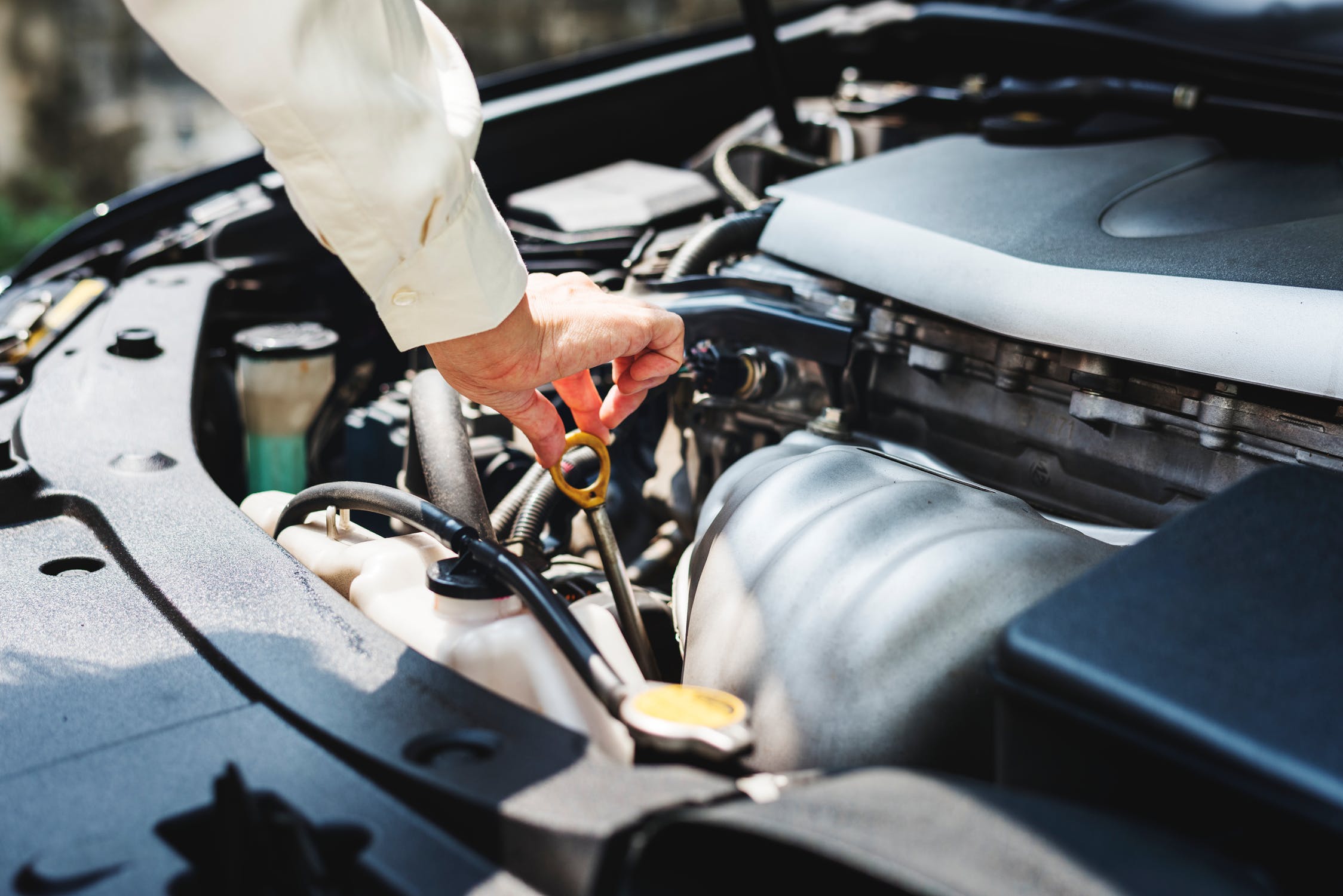
For example, a company operating service vans over a five-year period may find that consistent preventive maintenance helps reduce unexpected repairs during later years of operation.
Maintaining accurate service records can also provide useful documentation when vehicles are evaluated for resale or remarketing.
However, extending vehicle life doesn’t always mean keeping vehicles in service indefinitely.
As vehicles age, repair expenses, downtime, and operating costs may eventually outweigh the financial benefits of continued use.
Glesby Marks helps businesses evaluate maintenance expenses alongside broader fleet lifecycle considerations to support more informed replacement decisions.
The goal is to maximize the value of each vehicle while avoiding unnecessary operating expenses.
HOW BETTER FLEET MAINTENANCE CAN REDUCE OPERATING COSTS
Reducing fleet maintenance expenses doesn’t always require replacing vehicles or significantly changing daily operations.
Often, meaningful improvements begin with better planning, consistent service practices, and more complete maintenance information.
PREVENT EXPENSIVE BREAKDOWNS
Routine inspections and preventive maintenance help identify potential mechanical problems before they develop into major repairs.
Addressing worn components, fluid issues, and other maintenance requirements early can reduce the likelihood of unexpected vehicle failures.
While no maintenance program can eliminate every breakdown, proactive service can help reduce avoidable disruptions and repair expenses.
MINIMIZE VEHICLE DOWNTIME
When a commercial vehicle is unavailable, the financial impact often extends beyond the repair bill.
Missed appointments, delayed deliveries, rescheduled jobs, and reduced employee productivity can create additional costs.
Preventive maintenance and coordinated service support help businesses plan maintenance more effectively and reduce unnecessary vehicle downtime.
REDUCE ADMINISTRATIVE WORK
Coordinating service providers, reviewing repair estimates, approving maintenance expenses, and maintaining vehicle records can consume valuable staff time.
A centralized fleet maintenance program helps organize these activities and reduce reliance on fragmented processes.
This allows fleet managers and administrative teams to spend less time coordinating individual transactions and more time evaluating fleet performance.
IMPROVE BUDGETING AND FORECASTING
Historical maintenance records provide a stronger foundation for estimating future vehicle operating expenses.
By understanding service frequency, repair costs, and maintenance trends across vehicles, businesses can develop more informed maintenance budgets.
These insights can also help organizations evaluate the financial impact of vehicle age, mileage, and planned fleet expansion.
SUPPORT SMARTER VEHICLE REPLACEMENT DECISIONS
Maintenance costs often increase as vehicles accumulate mileage and experience additional wear.
Tracking repair expenses over time helps businesses identify vehicles that may be approaching the end of their economically useful service life.
When combined with fuel costs, utilization, and financing information, maintenance data can support more accurate total cost of ownership calculations.
Together, these improvements can support stronger cost control, more reliable operations, and better long-term fleet investment decisions.
PRACTICAL FLEET MAINTENANCE APPLICATIONS ACROSS INDUSTRIES
Different industries face different vehicle maintenance challenges. An effective maintenance program should accommodate those operational differences rather than impose a one-size-fits-all approach.
HVAC, PLUMBING, AND MECHANICAL CONTRACTORS
Service businesses depend on reliable vehicles to transport technicians, equipment, and materials between customer locations.
An unexpected vehicle breakdown can result in missed appointments, delayed repairs, and lost productivity.
For companies operating multiple service trucks or vans, preventive maintenance helps reduce interruptions while supporting consistent vehicle performance.
Glesby Marks helps these businesses coordinate maintenance schedules, manage service requirements, and monitor repair expenses across their fleets.
For contractors expanding into additional service territories, a standardized maintenance program can also support more consistent operating procedures.
CONSTRUCTION AND FIELD OPERATIONS
Construction businesses frequently manage trucks and service vehicles operating under demanding conditions.
Vehicles may travel between job sites, transport heavy equipment, and experience varying levels of wear depending on operating environments.
These conditions make regular inspections and preventive maintenance especially important.
A structured maintenance program helps businesses monitor service requirements, coordinate repairs, and evaluate maintenance expenses across vehicles supporting field operations.
This can help reduce disruptions that affect project schedules and employee productivity.
DELIVERY AND DISTRIBUTION FLEETS
Delivery businesses depend on reliable vehicle availability to maintain routes, meet customer expectations, and support daily operations.
Vehicles that accumulate substantial mileage may require more frequent preventive maintenance and careful monitoring of mechanical condition.
Unexpected breakdowns can interrupt delivery schedules and create additional operating expenses.
By tracking maintenance activity and addressing service requirements proactively, businesses can improve vehicle reliability and reduce avoidable downtime.
Maintenance reporting also helps identify vehicles experiencing recurring problems or increasing repair expenses.
MULTI-LOCATION COMMERCIAL FLEETS
Organizations operating vehicles across multiple branches or regions often struggle with inconsistent maintenance procedures and fragmented service records.
Different vendors, approval processes, and reporting practices can make it difficult to maintain consistent oversight.
A centralized fleet maintenance program helps standardize service coordination, maintenance tracking, and cost management across the organization.
This is particularly valuable for growing businesses seeking more consistent fleet management practices as their operations expand.
FLEET MAINTENANCE IS ONE PART OF A SMARTER FLEET STRATEGY
While controlling maintenance expenses is important, the greatest value comes from understanding how maintenance affects the broader cost of operating a commercial fleet.
Vehicle acquisition, financing, maintenance, fuel, utilization, and eventual replacement all contribute to total cost of ownership.
Evaluating these expenses independently can make it difficult to understand which vehicles are performing efficiently and which may be creating unnecessary costs.
For example, an older vehicle may have relatively low monthly financing costs but require increasingly expensive repairs.
A newer vehicle may have higher lease payments but lower maintenance expenses and fewer unexpected service interruptions.
Determining which option provides better long-term value requires evaluating the complete financial picture.
Glesby Marks helps businesses connect maintenance information with broader fleet strategy and vehicle lifecycle planning.
Our comprehensive fleet management services include:
- Fleet Leasing: Customized vehicle leasing solutions aligned with business requirements.
- Fleet Strategy: Planning that considers vehicle utilization, operating costs, and long-term business objectives.
- Fuel Management: Spending controls, transaction reporting, and purchasing oversight through Voyager.
- GPS Tracking and Telematics: Vehicle location, route, idling, and driver behavior insights through our partnership with Azuga.
- Fleet Maintenance: Preventive maintenance planning, service coordination, maintenance tracking, and cost management.
- Vehicle Remarketing: Guidance and coordination when vehicles reach the end of their useful service life.
Together, these services help businesses develop a more comprehensive understanding of fleet performance.
For example, maintenance records may reveal a vehicle experiencing repeated mechanical problems. Fuel consumption data and GPS telematics information can provide additional context about operating conditions, mileage, and vehicle utilization.
These insights can help determine whether additional maintenance, operational adjustments, or vehicle replacement would provide the greatest long-term value.
A vehicle with increasing repair expenses may still be economical to operate if its overall costs remain reasonable.
Another vehicle may warrant replacement sooner if frequent breakdowns are disrupting business operations and increasing total ownership costs.
The objective isn’t simply to spend less on maintenance. It’s to operate a more reliable, productive, and cost-effective fleet.
WHY BUSINESSES CHOOSE GLESBY MARKS FOR FLEET MAINTENANCE
Since 1976, Glesby Marks has partnered with businesses to provide customized fleet leasing and management solutions.
We understand that every fleet operates differently. Vehicle types, geographic coverage, mileage accumulation, service requirements, and long-term growth plans all influence how a maintenance program should be structured.
Rather than treating maintenance as a series of individual repair transactions, we help customers incorporate it into a broader strategy for managing fleet expenses and operations.
Through our partnership with Network Fleet, we provide access to comprehensive maintenance management services while delivering the personalized service and fleet expertise our customers expect.
Businesses choose Glesby Marks because we help them:
- Establish preventive maintenance schedules that support vehicle reliability
- Reduce unexpected downtime and avoidable repair expenses
- Access nationwide maintenance providers and preferred pricing
- Simplify vendor communications and service authorizations
- Streamline maintenance claims management
- Improve visibility into vehicle service histories and repair costs
- Identify recurring mechanical problems and maintenance trends
- Support informed vehicle replacement and lifecycle decisions
- Access knowledgeable support from a dedicated fleet management team
PROACTIVE MAINTENANCE. CONSISTENT SERVICE. GREATER COST CONTROL.
Another advantage of working with Glesby Marks is the ability to manage fleet maintenance through a coordinated program rather than relying on disconnected service providers and manual processes.
Our maintenance solutions combine preventive service planning, vendor coordination, maintenance claims management, and detailed reporting.
This approach helps businesses maintain greater oversight of vehicle expenses while reducing the administrative complexity associated with managing maintenance across multiple vehicles.
For organizations operating across several locations, consistent maintenance procedures can also improve accountability and support more predictable fleet operations.
Combined with broader fleet leasing and management services, proactive maintenance provides a practical foundation for protecting vehicle investments and controlling long-term operating costs.
FREQUENTLY ASKED QUESTIONS ABOUT FLEET MAINTENANCE
WHAT IS FLEET MAINTENANCE MANAGEMENT?
Fleet maintenance management is the process of planning, coordinating, tracking, and evaluating maintenance activities across a company’s vehicles.
It includes preventive maintenance scheduling, service coordination, repair approvals, maintenance recordkeeping, and cost management.
A structured program helps businesses maintain vehicle reliability, reduce avoidable downtime, and improve oversight of operating expenses.
HOW DOES PREVENTIVE MAINTENANCE REDUCE VEHICLE DOWNTIME?
Preventive maintenance helps identify and address service requirements before they contribute to unexpected mechanical failures.
Regular oil changes, tire inspections, brake inspections, and other scheduled services help maintain vehicle condition.
While preventive maintenance cannot eliminate every breakdown, it can reduce the likelihood of avoidable problems that interrupt business operations.
HOW DOES GLESBY MARKS HELP CONTROL FLEET REPAIR COSTS?
Glesby Marks leverages national maintenance networks to provide access to preferred pricing on parts and labor.
Our maintenance program also supports service coordination, repair authorizations, maintenance claims management, and service history tracking.
These services help businesses maintain greater oversight of repair expenses and identify opportunities to improve cost management.
WHAT IS INCLUDED IN FLEET MAINTENANCE SERVICE COORDINATION?
Service coordination helps simplify the administrative activities associated with maintaining commercial vehicles.
Through our maintenance program, Glesby Marks assists with vendor communications, service authorizations, and maintenance claims.
This coordinated approach reduces the administrative workload for fleet managers and helps establish more consistent maintenance processes.
HOW OFTEN SHOULD COMMERCIAL FLEET VEHICLES RECEIVE MAINTENANCE?
Maintenance frequency depends on vehicle type, manufacturer recommendations, mileage, operating conditions, and service requirements.
Vehicles operating under demanding conditions or accumulating substantial mileage may require more frequent inspections and maintenance.
Glesby Marks helps businesses establish preventive maintenance schedules aligned with manufacturer recommendations and operational needs.
CAN FLEET MAINTENANCE HELP EXTEND VEHICLE LIFE?
Yes. Consistent preventive maintenance and timely repairs can help reduce unnecessary mechanical wear and maintain vehicle performance.
Maintaining accurate service records and addressing problems early can also help protect resale value.
However, vehicle replacement decisions should consider maintenance expenses alongside overall operating costs and business requirements.
HOW DOES MAINTENANCE TRACKING HELP FLEET MANAGERS?
Maintenance tracking provides a more organized record of vehicle service activity.
Fleet managers can review service histories, monitor upcoming maintenance requirements, and identify recurring repair issues.
This information helps businesses evaluate vehicle performance, manage maintenance expenses, and make more informed decisions about repairs and replacement.
IS FLEET MAINTENANCE MANAGEMENT SUITABLE FOR SMALLER COMMERCIAL FLEETS?
Yes. Businesses managing smaller fleets can also benefit from consistent preventive maintenance, coordinated service, and organized maintenance records.
Even a single unexpected breakdown can disrupt operations for a company that depends on a limited number of service vehicles.
The appropriate maintenance program depends on fleet size, vehicle usage, service requirements, and the level of oversight needed.
CAN MAINTENANCE DATA SUPPORT VEHICLE REPLACEMENT DECISIONS?
Yes. Maintenance records help businesses evaluate repair frequency, service expenses, and changes in vehicle reliability over time.
When combined with fuel costs, mileage, utilization, and financing information, this data can support more accurate total cost of ownership calculations.
These insights help fleet managers determine when continued maintenance is economically justified and when replacement may provide better long-term value.
CAN FLEET MAINTENANCE WORK ALONGSIDE GPS TRACKING AND FUEL MANAGEMENT?
Yes. Fleet maintenance, fuel management, and GPS telematics provide different but complementary information.
Maintenance records help businesses understand vehicle condition and repair expenses. Fuel management provides insight into purchasing activity and consumption trends, while GPS telematics can provide information about mileage, routes, idling, and driver behavior.
Evaluating these information sources together can support more comprehensive fleet management decisions.
KEEP YOUR FLEET RUNNING STRONG WITH GLESBY MARKS
Managing fleet maintenance shouldn’t require complicated processes, disconnected service records, or unnecessary administrative work.
With Glesby Marks and Network Fleet, your business can establish proactive maintenance schedules, coordinate service requirements, control repair expenses, and make more informed decisions about vehicle performance and long-term operating costs.
Whether you’re managing a growing service fleet, supporting vehicles across multiple locations, or looking for opportunities to improve your existing maintenance program, we’re here to help.
Ready to reduce fleet downtime and simplify maintenance management?
Contact Glesby Marks to learn how our fleet maintenance solutions can help your business streamline preventive maintenance, coordinate repairs, track service expenses, and keep your vehicles operating safely and efficiently.
Explore Our Fleet Maintenance Solutions
Glesby Marks | Fleet Leasing and Management Solutions Since 1976